

Chapter 7: Public Facilities
CBSE Class 8 Social Science Chapter 7: Public Facilities
1. Introduction to Public Facilities:
These notes of Chapter 7: Public Facilities, cover the entire chapter comprehensively for CBSE Class 8 examination purpose. Revise with textbook diagrams (water cycle in Chennai, photograph of slum water queue, government hospital, etc.) for better marks.
- Public facilities are those essential services and infrastructure that are provided by the government (or sometimes with government support) for the welfare and well-being of all citizens.
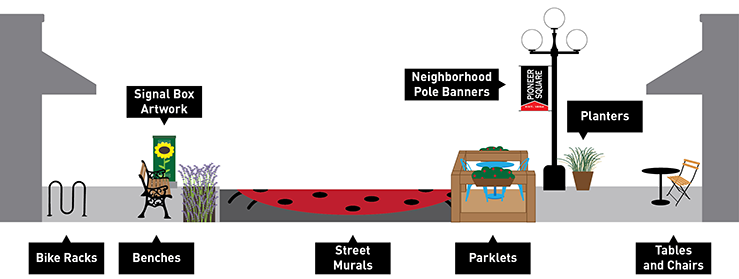
- Examples: Water supply, sanitation, healthcare, education, public transport, electricity, roads, parks, street lighting, public distribution system (PDS), etc.
- These facilities are called “public” because every citizen has the right to use them without discrimination.
- The government is responsible for providing public facilities because private companies usually work for profit and may not serve poor or remote areas.
2. Why are Public Facilities Needed?
- Every person needs certain basic requirements to live a dignified life: clean drinking water, sanitation, healthcare, education, shelter, electricity, etc.
- These are part of the Right to Life guaranteed by Article 21 of the Indian Constitution.
- Private companies supply many goods (clothes, vehicles, mobiles), but water, healthcare, and education cannot be left completely to the market because:
- Companies charge high prices → poor people cannot afford them.
- Companies avoid areas where they will earn less profit (rural and slum areas).
- Therefore, the government has to step in to ensure universal access (access for all).
3. Water as a Public Facility
- Water is the most important public facility.
- People need water for drinking, cooking, washing, bathing, and farming.
- Sources of water: rivers, lakes, ponds, groundwater (borewells, hand pumps), municipal supply.
Water Supply Situation in India
- Cities: Most houses have private taps or borewells, but many slums and unauthorised colonies depend on public taps or tankers.
- Villages: Hand pumps, wells, and government pipelines are the main sources.
- Shortage: Many areas face acute shortage, especially in summer. Water supplied is often insufficient or contaminated.
Chennai Example (from textbook)
- There are huge inequalities in water supply in Chennai:
- Areas like Anna Nagar (posh area) get municipal water for many hours every day.
- Areas like Mylapore (middle-class) get water for about an hour.
- Slums like Madipakkam get water once in 3–4 days.
- Slum areas depend on water tankers or buy water at high prices (₹20–50 per pot).
- People in slums spend a lot of time and money just to get water.
Who is Responsible for Water Supply?
- In cities → Municipal Corporations / Municipalities
- In villages → Panchayats and State Public Health Engineering Departments
- The government is supposed to provide safe and sufficient water at affordable cost (or free) to all citizens.
4. Government’s Role in Public Facilities
The Constitution of India says:
- The government must ensure Right to Water, Right to Health, Right to Education, Right to Food, etc.
- Universal Access to water is a basic goal → every person should get at least 50 litres of safe water per day (as per WHO norms India promises 40–100 litres depending on area).
- The government spends money collected through taxes to build dams, pipelines, treatment plants, hand pumps, etc.
5. Public Facilities and Inequality
- In reality, there is huge inequality in access:
- Rich people have 24×7 water supply, RO purifiers, swimming pools.
- Middle class buy water cans or install submersible pumps.
- Poor people stand in long queues, buy expensive water from tankers, or drink unsafe water.
- Similar inequality is seen in healthcare and education:
- Rich → private hospitals and schools
- Poor → overcrowded government hospitals and schools (or no access)
6. Healthcare as a Public Facility
- Public health services include hospitals, primary health centres (PHCs), dispensaries, vaccination programmes, etc.
- Private healthcare is very costly → only 20–30% of people can afford it.
- Government hospitals are supposed to provide free or low-cost treatment, but they suffer from:
- Overcrowding
- Shortage of doctors and medicines
- Long waiting time
- Poor maintenance
Example from Textbook
- Hakim Sheikh (West Bengal) met with an accident → 8 government hospitals refused admission or proper treatment → finally got treatment in a private hospital by selling assets.
- This shows failure of public health system.
Andhra Pradesh Example (Positive)
- In some villages of Andhra Pradesh, Auxiliary Nurse Midwives (ANMs) and health workers visit homes, provide medicines, and keep health records → good example of working public health system.
7. Right to Safe Drinking Water – Legal Recognition
- Subhash Kumar vs State of Bihar (1991): Supreme Court said that Right to Clean Water is part of Right to Life (Article 21).
- Government has launched many schemes:
- Swajal Dhara
- Jal Jeevan Mission (2019 onwards) → Har Ghar Jal – tap water connection to every rural household by 2024–25)
- Atal Bhujal Yojana (groundwater management)
8. Sanitation as a Public Facility
- Public sanitation means public toilets, sewerage system, garbage collection, drainage.
- Lack of sanitation causes diseases like cholera, diarrhoea, hepatitis.
- Swachh Bharat Mission (2014) → construction of individual and community toilets, making India Open Defecation Free (ODF) by 2019 (claimed).
9. Public Distribution System (PDS) – Food Security
- Government buys food grains from farmers at Minimum Support Price (MSP) and sells them at low prices through Fair Price Shops (ration shops).
- Antyodaya Anna Yojana (AAY) → poorest of the poor get 35 kg rice/wheat at ₹2–3 per kg.
- National Food Security Act 2013 → 75% rural and 50% urban population entitled to 5 kg food grains per person per month at subsidised rates.
10. Other Important Public Facilities
- Electricity: Government companies like state electricity boards provide power.
- Public Transport: Buses, metro, railways (Indian Railways is the largest public sector undertaking).
- Education: Government schools, Sarva Shiksha Abhiyan, Mid-Day Meal scheme.
- Parks and playgrounds, street lighting, roads, etc.
11. How are Public Facilities Financed?
- Through taxes (income tax, GST, property tax, etc.)
- Sometimes through user charges (small fees for water, electricity, bus tickets) Borrowing from banks or international agencies (World Bank loans for water projects)
12. Problems in Public Facilities in India
- Insufficient funds
- Corruption and leakage of funds
- Poor maintenance
- Overcrowding
- Political interference
- Privatisation trend → government handing over water supply to private companies in some cities (leads to higher bills and disconnection of poor people)
13. What Can Citizens Do?
- Pay taxes and water/electricity bills honestly
- Use water and electricity carefully (avoid wastage)
- Raise voice through RTI, public interest litigation (PIL), protests
- Participate in Resident Welfare Associations (RWAs) and Gram Sabhas
Key Points to Remember (for exams)
- Public facilities are essential services provided by the government.
- Water and healthcare are the two major examples discussed in the chapter.
- There is huge inequality in access → rich get more and better services.
- Government has the responsibility to provide universal access.
- Right to Water is part of Right to Life (Article 21).
- Citizens can demand better services using RTI and PIL.
Important Terms
- Universal Access → services available to all citizens on equal terms
- Privatisation → handing over public services to private companies
- Sanitation → safe disposal of human waste and sewage
- Public Distribution System (PDS) → ration shop system
Download pdf notes and Sulutions of the Chapter:
Please Visit Readspot for Hindi Medium Study Material

You may also like
Chapter 6: Civilising the “Native”, Educating the Nation
14 December, 2025
Chapter 7: Women,Caste and Reform
14 December, 2025
Chapter 8: The Making of the National Movement
14 December, 2025